Introduction
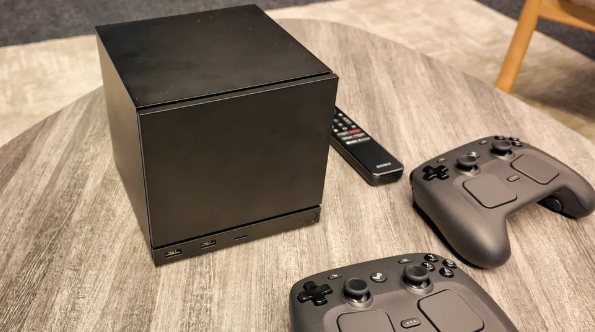
After the success of the Steam Deck, Valve has announced the new Steam Machine, a console-style, PC-hardware hybrid aimed at living-room gaming. With this move, many are asking: is Valve re-entering the console wars—taking on the likes of the PlayStation 5 and Xbox Series X head-on? In this article we compare the Steam Machine, Steam Deck and major console rivals: specs, strategy, price, ecosystem and what it means for PC gaming’s future.
1. The Players: What we know so far
Steam Machine
- Announced November 2025, expected release in early 2026. Reddit+4Windows Central+4PC Gamer+4
- Key specs from multiple sources: 6-core/12-thread Zen 4 CPU (up to ~4.8 GHz), RDNA 3 GPU with ~28 Compute Units (CUs) running ~2.45 GHz, ~110W GPU TDP. SteamDB+2Windows Central+2
- Memory/storage: 16 GB DDR5 system memory + 8 GB GDDR6 VRAM; options for 512 GB or 2 TB NVMe SSD. Notebookcheck
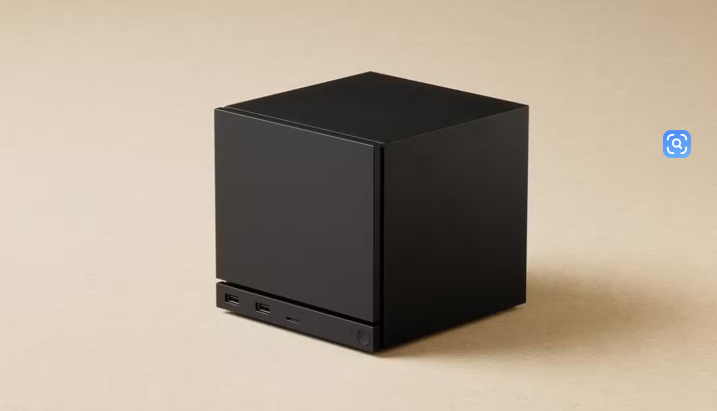
- Outputs & connectivity: DisplayPort 1.4, HDMI 2.0, USB ports, Wi-Fi 6E, Bluetooth 5.3. Physical size ~152 × 162 × 156 mm. Notebookcheck+1
- Price: Leaks suggest Valve may price it “like a PC” rather than a subsidised console, raising expectations for higher cost. VICE
Steam Deck (current handheld)
- Already in market; known for successful handheld PC gaming platform with SteamOS, strong library, and serviceability. Windows Central+1
- In 2025, still regarded as strong value for PC gaming on the go.
Console Rivals (PlayStation & Xbox)
- PlayStation 5 and Xbox Series X/S are established consoles; the upcoming “Pro”/next-gen increments are speculated.
- Valve’s own hardware specs mention “six times the Steam Deck” performance as the benchmark. Wikipedia+1
2. How the Steam Machine positions itself vs rivals
Hybrid PC-Console Strategy
Valve is now combining elements of PC and console: open‐platform SteamOS + upgradeable storage + library portability (via Steam) + console-style form factor. That gives it unique positioning compared with closed consoles.
Performance claims
By targeting ~6× Steam Deck performance and 4K60 gaming (with upscaling) the Steam Machine aims above many other consoles in pure hardware terms. SteamDB+1
It suggests Valve is not just playing in the “console refresh” space, but chasing higher-end gaming PCs (or high-end consoles) rather than budget units.
Ecosystem & library synergy
Valve emphasises interoperability: microSD support across Steam Deck, Steam Machine and other hardware, meaning shared game libraries and flexibility. PC Gamer
This gives it a plug-and-play advantage for existing Steam users, which consoles don’t match.
3. Strengths and advantages
- Library and platform maturity: Steam has a huge PC game library; Proton and SteamOS maturity mean compatibility is strong.
- Open hardware/upgradeability: Unlike many consoles, Steam Machine seems upgrade-friendly (storage at minimum) and allows OS flexibility.
- Value for PC gamers: For PC gamers wanting living room mode, this appeals more than typical consoles with locked ecosystems.
- Handheld to dock synergy: Steam Deck plus Steam Machine gives cross-form-factor continuity.
4. Weaknesses and challenges
- Pricing risk: Leaks suggest the Steam Machine may cost more than typical consoles (potentially ~$1,000+), making it less mass-market friendly. VICE
- Competition from big console OEMs: PlayStation and Xbox have decades of exclusives, massive marketing muscle, and console loyalty.
- Hardware specs vs raw compute: While 28 CUs RDNA3 is solid, some console rivals (or PC GPUs) may still outperform in specific workloads. Windows Central
- Release timing and software optimisation: Launching in 2026 means Valve needs strong launch titles, early reviews and third-party support to compete effectively.
- Consumer confusion: Valve already has Steam Deck; introducing a house-console may confuse brand or cannibalise handheld sales.
5. What it means for the console wars
Market disruption
Valve entering the high-end living room console space shifts the dynamic: instead of locked “console vs console”, we may see “console vs open PC-console hybrid”. This could push Sony/Microsoft to emphasise backwards compatibility, PC game libraries, mod support or price competitiveness.
For PC gamers
PC gamers gain a new living-room alternative that integrates easily into their existing game libraries and workflows. Instead of building a gaming PC or buying a controller-only console, they can pick the Steam Machine and continue using Steam and PC peripherals.
For developers
Developers targeting this hardware may unify PC + console builds more tightly. Optimising for 6× Steam Deck could become a new baseline alongside PS/Xbox.
6. Verdict – Is Valve truly entering the console wars?
Yes—with caveats. Through the Steam Machine, Valve is making a serious move into console-style hardware, targeting living room gamers, and positioning itself alongside PlayStation and Xbox rather than just handhelds. But it’s not a standard console war with subsidised pricing and locked ecosystems. Instead, it’s a premium, PC-centric alternative to consoles.
If Valve gets pricing and launch right (competitive entry price, compelling games, strong software support), it could reshape what people think of as “console”. But if cost is high or launch titles weak, it may remain a niche high-end option for PC enthusiasts, rather than a mass-market console.
Final thought
For gamers watching 2026 and beyond, this may be one of the most interesting hardware launches. The Steam Machine could blur the lines between console and PC, giving players more freedom, better library portability and flexibility. Whether it becomes a mainstream contender or niche premium device depends heavily on price, games, and ecosystem execution. But make no mistake: with this move, Valve is back in the hardware game—and the console wars may look very different going forward.